The next layer
What a solo motorcycle ride got right. What we got wrong first. What we are building instead.
We built visibility. We had not built a reason.
The first version of Lirel showed you who was near you. It showed verified professionals, roughly how far away they were, a sense of who was in the room. It was the easiest part of the idea to build. It also turned out to be the least useful.
The most common reaction we got from real users was some version of "Cool. But then what?"
That question sat with us longer than we would like to admit. A list of nearby people is a fact. Facts do not build habits. Actions build habits. Seeing that a stranger is forty meters away tells you nothing about whether you should talk to them. It tells you nothing about why. It tells you nothing about what you would even say. We had built visibility. We had not built a reason.
So we changed the question
The question became "who is near me that I actually need right now." Answering it means knowing two things location can never tell you. It means knowing what you are actually stuck on. It means knowing what the people around you can actually offer.
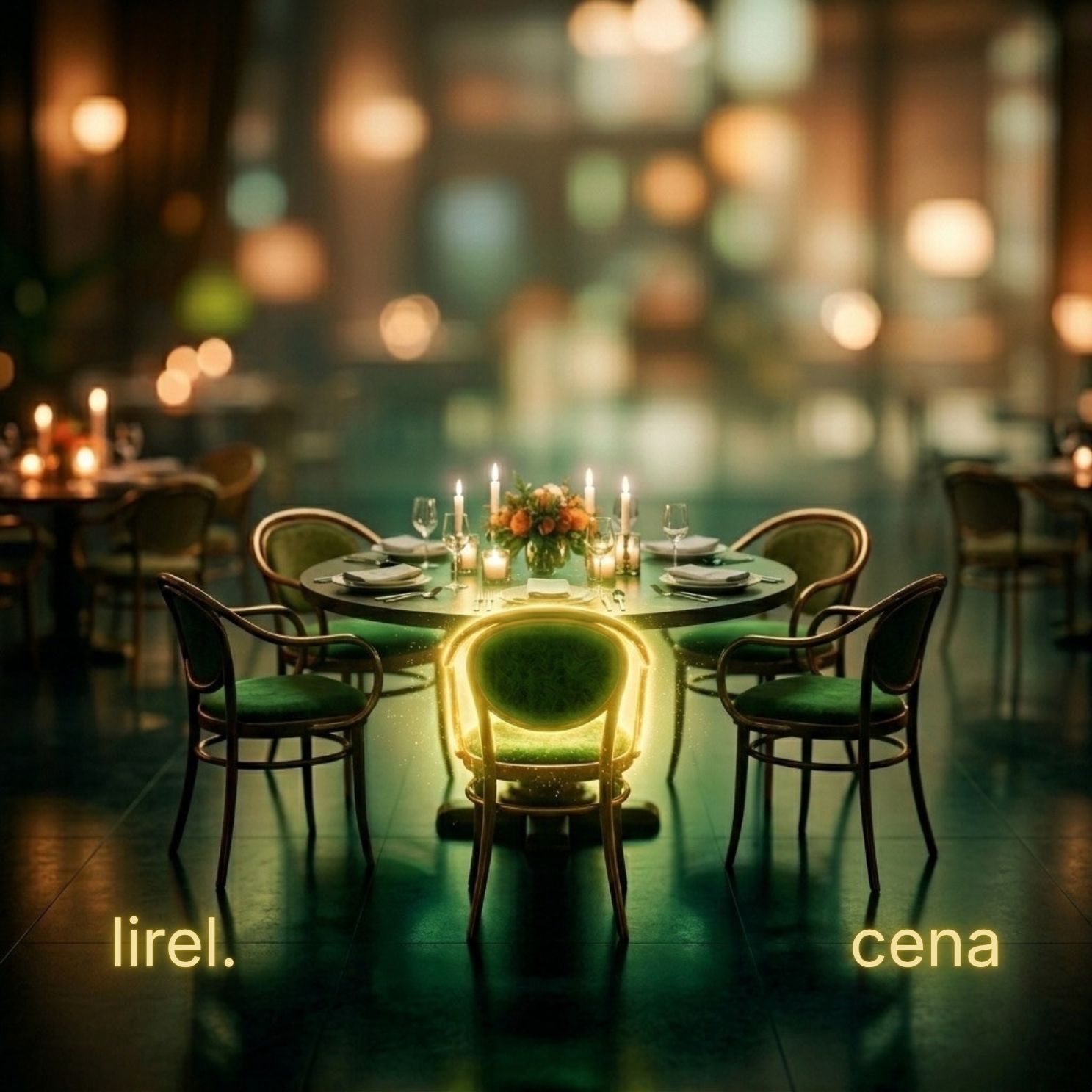
That is what we build now. We call the engine behind it Cena. You tell us what you are working on. You tell us a real problem you are facing or something you are genuinely good at helping with. We match a small table of people around that. It is never more than six people. It is never built around more than one or two real problems at a time, because depth matters more than volume. There is no stage. There is no single expert holding court. There are no fifty strangers to work through. There are just enough people, matched on something real.
What the first tables told us
The first tables we ran told us something we did not expect. People wanted to know if the conversation could keep going.
One attendee described what stayed with her after a dinner. She said the moment that mattered most was hearing how differently one guest thought about a problem she had assumed only had one answer. That is exposure to a way of thinking she would not have run into on her own.
Helping someone once should stay remembered. Today it disappears the way it does in a WhatsApp group or a Slack thread. The most useful thing that happens at a good table is being exposed to a real problem or moving one forward for someone else. That is exactly the thing our tools are worst at remembering.
A record worth keeping for the person it is about
This points at something we are still working through. We want to say it plainly rather than wait to announce it later. We think there is real value in remembering that kind of exposure.
We picture something close to a private, honest record of the problems you have helped move forward and the ways of thinking you have been exposed to over time. It is the kind of thing a good mentor keeps in their head about the people they have watched grow. We think that record should belong to the person it is about. It should be shared only if and when they choose to.
It follows the same logic as everything else we changed. Usefulness compounds. A location stays the same.
Proximity was always the infrastructure
Proximity was always the infrastructure. It is the reason the right conversation can happen in a room instead of a comment thread. The product is what happens once you are actually sitting across from the right person. That is what we are building now. It is a network that is actually helpful and that remembers.
Tell us what you are working on or what you are good at helping with. We will build you a table around it.
Request your table →